There was a time when the reconstruction of Eke Uzuakoli Market represented hope—a promise of a modern market, better business opportunities, and a stronger economic future for Uzuakoli and surrounding communities.
The project, contracted to Delhope Construction Services on June 25, 2025, came with an estimated 18-month completion period. Traders accepted relocation to makeshift stores because they believed their sacrifice had an expiry date.
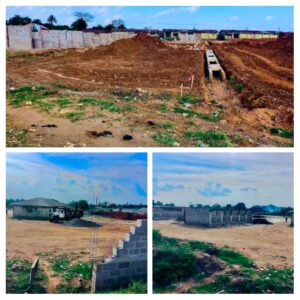
But 11 months down the line, hope is giving way to despair. The pace of work at the market is deeply concerning. A project of this magnitude can not be treated as a dumping ground for an idle workforce. When construction progresses at a painfully slow pace, the question becomes unavoidable:
Can this project realistically be completed within the stipulated timeframe?
And the concern goes beyond the market itself. The project reportedly includes critical feeder roads such as: 1.uzuakoli- isiegbu Ozuitem, umuhuezechi Road,
2. Akoli–Amoji–Imenyi–Ovim Road, 3.Uzuakoli–Awuja–Amankalu Alayi Road,
4. Amamba uzuakoli – Bende road,
5. Nkpa ugwa Agbiyi road, among others linking farming communities to the market.
These are not ordinary roads. They are economic arteries. Without them, farmers cannot efficiently move their produce to the market, and the full economic value of the project cannot be achieved. Yet, residents are still waiting to see meaningful activity on these roads.
Where is the money? Where is the accountability? With the project linked to funding involving the World Bank, Agence Française de Développement (AFD), and the Abia State Government, legitimate questions must be answered: Has the project been adequately funded?
If funds have been released, why is progress so slow?
If funding has not been released, why has this not been made public?
And if there is any evidence of misapplication or diversion of project funds, who will be held accountable?
These questions are not accusations. They are the legitimate concerns of citizens whose livelihoods and future depend on this project. The traders surrendered their shops because they trusted a promise. The farmers are waiting for roads because they trusted a plan.
That trust must not be betrayed. Eke Uzuakoli Market must not become another abandoned project where public funds are spent but public expectations are buried. Because at the end of the day, this is not just about blocks, roads and buildings. It is about livelihoods. It is about public money. It is about trust.
And the people of deserve answers.